St. John


Your must-see for nature
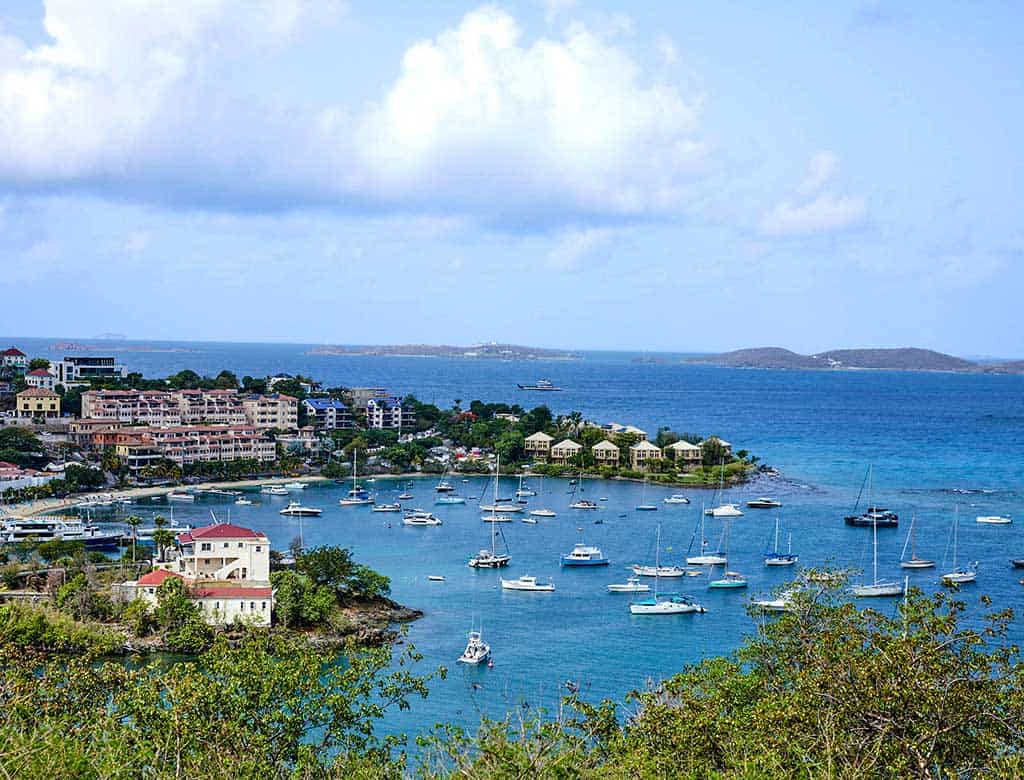
Whether snorkeling the clear, turquoise waters surrounding the island or climbing steep hills, St. John is the must-see for nature-lovers. In one of the best places to snorkel in the Caribbean, you don’t have to venture far from shore to interact with sea turtles and rays while swimming above coral reefs that teem with a kaleidoscope of brilliantly colored fish. On land, more than three dozen hiking trails beckon adventurers, crisscrossing the lush, 5,500-acre Virgin Islands National Park. This preserve protects more than half of the island’s total footprint and is home to a veritable smorgasbord of flora and fauna. Beloved for dozens of virtually crowd-free, white-sand beaches, this — the smallest of the three main U.S. Virgin Islands — is considered to have some of the most unspoiled underwater and terrestrial habitats found anywhere in the Caribbean.



Plan Your Trip

TAKE OFF ON OUTDOOR ADVENTURES
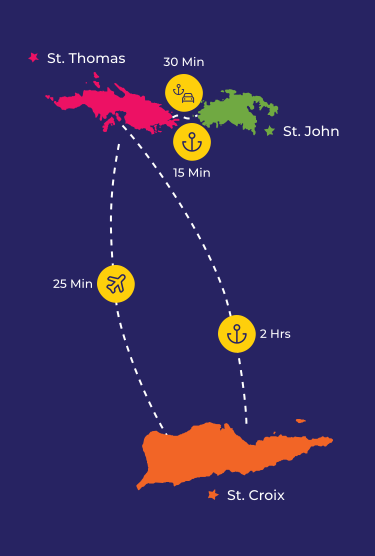
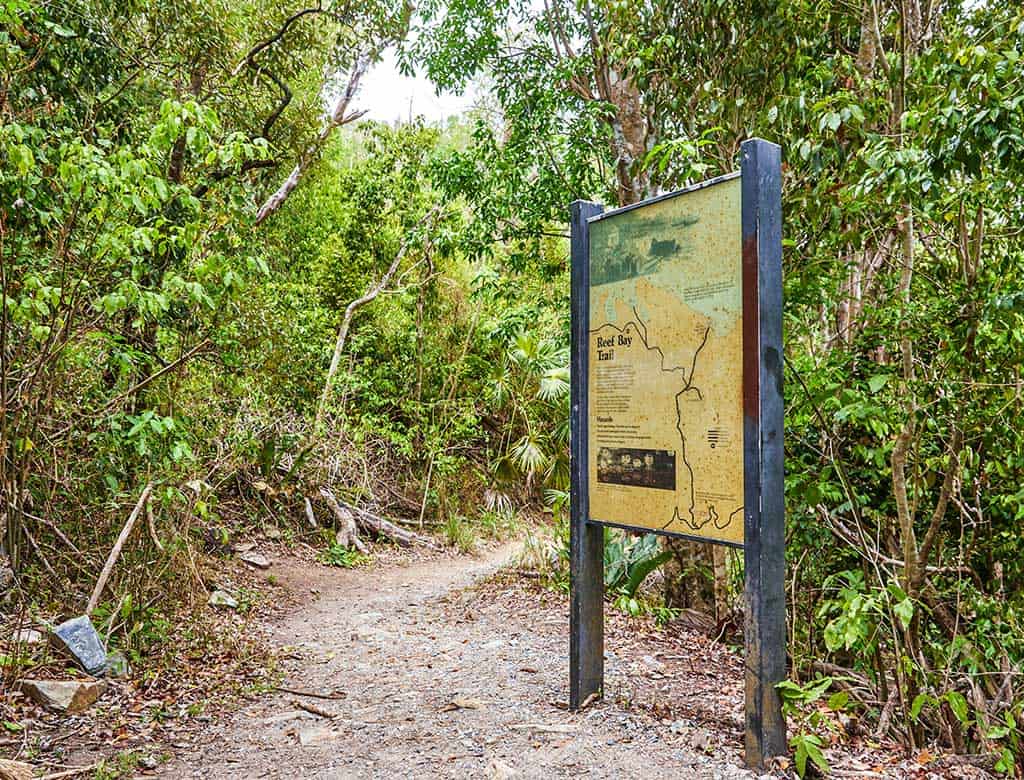
It’s a quick ferry ride to reach St. John. Get close to nature riding in a Jeep around the island, the majority of which is a U.S. national park. Hike on a hillside, snorkel an underwater trail and paddle a kayak at night.
St. John Trip Tips
Know Before You Go
-
U.S. citizens do not need a passport to visit St. John, but it still serves as the best identification when traveling. Otherwise, you must be prepared to show evidence of citizenship when departing the islands, such as a raised-seal birth certificate and government-issued photo ID. If you are not a U.S. citizen, then a passport issued by your country of origin is required. If you are not sure of your status, please contact the U.S. Customs & Border Protection agency (www.cbp.gov).
-
As a U.S. territory, the currency in St. John is the U.S. dollar. Automated teller machines (ATMs) can be found throughout all three islands. Most establishments accept credit cards and traveler’s checks. The most widely accepted credit cards are Visa and MasterCard. Tip: Remember when you’re traveling to put some cash and cards in a safe place as backup.
-
English is the official language in St. John, but you can definitely detect the sound of colorful dialects and expressions that may take time to get accustomed to. Spanish is also commonly spoken. Tip: The USVI is a territory of the United States, but it has its own culture. It is always best when exploring new cultures to be respectful and mindful.
-
In St. John and across the U.S. Virgin Islands, you drive on the left side of the road. If you plan to rent a vehicle, a valid U.S. or foreign license is accepted for 90 days. Seat belts are required by law, and it is illegal to drive while speaking on your cell phone.
-
St. John enjoys warm, sunny weather year-round. The average winter temperature is 77ºF (25ºC), and the average summer temperature is 82ºF (28ºC). Tip: The Caribbean sun is intense. Cotton clothes are the best choice for staying cool. Remember to drink plenty of water and wear sunscreen.
-
St. John is a year-round destination; however, you may find the best bargains on hotels and attractions during the summer months. Tip: Dress is casual, but proper attire (shirts and shoes) should be worn in public areas. Bathing suits are worn only at the beach and pool.
-
Please use only mineral sunscreen when you visit St. John — it’s the law in the U.S. Virgin Islands! Please help preserve the glorious beaches and stunning underwater world that lure you to our shores so that you and your loved ones can enjoy them for years to come! Avoid sunscreens that contain the “Toxic 3 Os” of oxybenzone, octinoxate and octocrylene – they are prohibited in the U.S. Virgin Islands. Wear rash guard shirts, hats and use only non-nano mineral sunscreen containing zinc oxide and titanium dioxide, the only sunscreen ingredients deemed safe and effective by the FDA. Always read the ingredient label. There are so many options to choose from. See a selection of recommended non-nano mineral-based sunscreens here: islandgreenliving.org/sunscreen-list/
-
St. John is on Atlantic Standard Time. During the spring and summer months, the U.S. Virgin Islands are on the same time as the U.S. East Coast. When the clocks fall back in the autumn and winter, the USVI remains an hour ahead.
-
Radio stations, network affiliates, cable TV, satellite TV and internet providers keep you connected with the rest of the world. Internet cafes are conveniently located around the islands where you can socialize and check your inbox. If you travel with your cell phone, most carriers do have signals in the USVI. Remember your earpiece: it is illegal to drive while speaking on your cell phone.
-
Standard 120-volt current is used in the U.S. Virgin Islands. No adapters are required.
-
St. John is very pet-friendly; however, only a few hotels allow pets, so check with your hotel beforehand. There are no quarantine regulations, but airlines do require a health certificate from your veterinarian (certifying that shots are up to date). Most certificates are issued for a 30-day period. If your travel will extend beyond a 30-day period, you should visit one of our local veterinary offices for recertification prior to departure.